
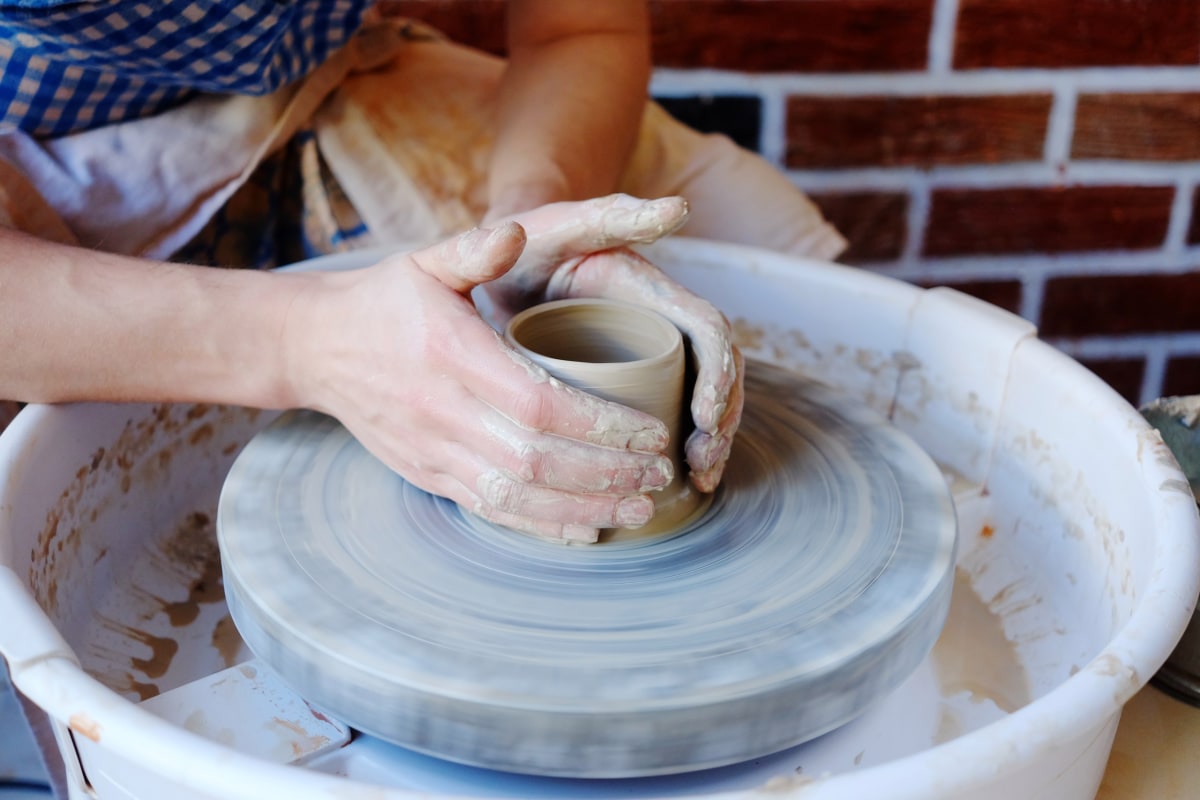
Working with clay offers a unique opportunity to slow down, explore your creativity, and create something with your own hands. Among the many ceramic techniques, wheel throwing is especially fascinating because it transforms a simple lump of clay into a functional or decorative object through careful movements and steady pressure. From shaping a small bowl to creating an elegant cup, the process combines practical skills with artistic expression.
Exploring pottery wheel throwing Austin is a wonderful way to experience this traditional craft in a hands-on setting. Whether you are a complete beginner or someone interested in improving your pottery skills, a guided class can introduce you to the essential techniques in a welcoming studio environment. With patience, instruction, and a willingness to experiment, you can discover how the simple steps of centering, shaping, and refining clay come together to create handmade ceramics.
Start With the Basics of the Pottery Wheel
Before creating your first piece, it helps to understand how the pottery wheel works. The wheel rotates the clay while you use your hands to guide its shape. Controlling the speed, maintaining a stable position, and applying even pressure are essential parts of the process.
A beginner-friendly session usually starts with an introduction to the equipment and tools. An instructor may demonstrate how to prepare the clay, position your hands, and work comfortably at the wheel.
You do not need previous experience to get started. Learning the fundamentals first makes the process easier to understand and gives you a solid foundation for developing your skills.
Center the Clay for a Balanced Shape
Centering is one of the most important stages of wheel throwing. Before the clay can become a bowl, cup, or vase, it must sit evenly in the middle of the rotating wheel.
Using steady pressure, you guide the clay toward the center until it spins with minimal wobbling. This requires coordination and patience, particularly when you are working with the material for the first time.
If the clay is off-center, shaping becomes more difficult because the material moves unevenly beneath your hands. An instructor can demonstrate how to maintain consistent pressure and recognize when the clay is properly balanced.
Once you become comfortable with centering, the next stages of pottery making often feel more manageable.
Shape Your First Ceramic Creation
After centering the clay, you can begin opening the middle to form the base of your piece. From there, carefully controlled movements help raise the walls and develop the overall shape.
You might start with a simple bowl or small cup because these projects introduce the essential movements without requiring a complicated design. Your instructor can show you how to support the clay from the outside while shaping the interior.
The process involves making small adjustments rather than forcing the clay into position. Too much pressure can distort the form, while uneven movements may create walls of different thicknesses.
Do not be discouraged if your first attempt looks imperfect. Each effort helps you understand how the clay responds to your hands and the rotating wheel.
Add Personality Through Creative Details
Once you understand the basic technique, wheel throwing offers opportunities to experiment with different shapes and proportions. You can explore wider bowls, taller vessels, curved rims, and other forms as your confidence develops.
Surface decoration can also give your pottery a distinctive appearance. Depending on the class, you may learn about adding textures, carving simple patterns, or applying glaze to introduce color and finish.
These creative choices allow you to make objects that reflect your preferences rather than simply copying a standard design.
Understand the Finishing Process
Creating the shape is only one part of making ceramic pottery. Most pieces need time to dry before trimming and kiln firing. Glazing may follow, depending on the studio's process.
Because these stages require additional time, your creation may not be ready to take home immediately after class. Before booking, ask whether glazing and firing are included and when completed pieces can be collected.
Understanding the full process helps you appreciate the time and care involved in producing finished ceramics.
Begin Your Ceramic Journey in Austin
Wheel throwing brings together patience, technique, and imagination. Each stage provides an opportunity to learn something new, from centering the clay to refining the details of a handmade object.
A pottery class in Austin can be a rewarding introduction to this creative craft, whether you attend alone or share the experience with friends. Start with a simple project, follow your instructor's guidance, and give yourself time to practice. You may discover a new hobby that offers both creative satisfaction and a lasting appreciation for handmade pottery. How to Choose a Local Clay Studio for Your First Handmade Piece
#PotteryMaking #PotteryClasses