
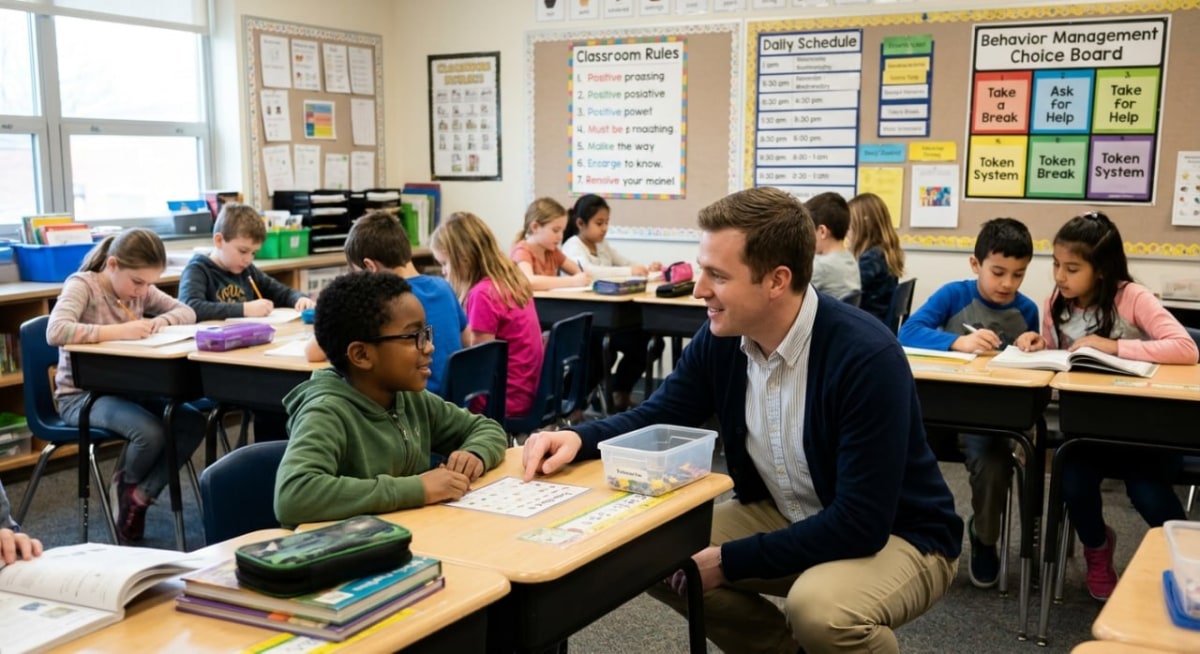
Managing a classroom can be one of the most rewarding yet challenging responsibilities for any teacher. Every student has a unique personality, learning style, and set of emotional needs. While some students follow instructions easily, others may struggle with concentration, classroom rules, communication, or controlling their behavior. These challenges can affect the overall learning environment if they are not handled appropriately. Understanding effective classroom management strategies for difficult students can help teachers create a positive, respectful, and productive classroom where every learner feels supported.
Understand the Reasons Behind Student Behavior
One of the first steps toward effective classroom management is understanding why a student behaves in a challenging way. Disruptive behavior does not always mean a student is intentionally trying to create problems. Sometimes, it may result from frustration, learning difficulties, family circumstances, emotional stress, or a lack of confidence.
Teachers should take time to observe students and identify possible triggers. For example, a student who frequently interrupts lessons may be seeking attention or struggling to understand the subject. Instead of immediately applying punishment, teachers can have a private conversation to understand the situation and offer appropriate support.
Establish Clear Classroom Rules and Expectations
Students are more likely to behave appropriately when they understand what is expected of them. Teachers should establish simple, clear, and consistent classroom rules at the beginning of the academic year. These rules should cover important areas such as respecting others, listening during lessons, completing assignments, and following instructions.
It is also helpful to involve students in creating classroom expectations. When learners participate in setting rules, they often develop a stronger sense of responsibility. Teachers should explain the consequences of breaking rules and apply them fairly to everyone. Consistency helps students understand boundaries and creates a more organized learning environment.
Build Positive Relationships With Students
A strong teacher-student relationship can make a significant difference in classroom behavior. Students are generally more willing to cooperate when they feel respected, understood, and valued. Teachers can build trust by showing genuine interest in students' lives, listening to their concerns, and recognizing their individual strengths.
Small actions, such as greeting students at the classroom door, remembering their interests, and appreciating their efforts, can help create a welcoming atmosphere. When students feel connected to their teachers, they are more likely to communicate openly and respond positively to guidance.
Use Positive Reinforcement
Positive reinforcement is an effective way to encourage good behavior. Rather than focusing only on mistakes, teachers should recognize and appreciate positive actions. Verbal praise, classroom privileges, achievement certificates, and simple words of encouragement can motivate students to make better choices.
For example, when a student who usually struggles with classroom participation raises a hand before speaking, the teacher can acknowledge that improvement. Recognizing small achievements helps students build confidence and understand which behaviors are encouraged.
Make Lessons Interesting and Interactive
Sometimes, challenging behavior occurs because students feel bored, disconnected, or overwhelmed by classroom activities. Teachers can reduce these situations by making lessons more engaging and suitable for different learning styles.
Group discussions, educational games, practical activities, storytelling, and visual presentations can encourage participation. Breaking complicated tasks into smaller steps can also help students who struggle with concentration or understanding instructions.
An interactive classroom gives students more opportunities to participate actively instead of becoming distracted or disrupting others.
Stay Calm and Handle Conflicts Professionally
When students become disruptive, teachers should avoid reacting with anger or embarrassment. Raising voices or criticizing students publicly can make situations worse. Instead, maintaining a calm tone and addressing inappropriate behavior respectfully can prevent unnecessary conflict.
Whenever possible, discuss behavioral concerns privately. Explain what needs to change and allow students to share their perspectives. This approach teaches accountability while protecting their dignity.
Conclusion
Managing challenging classroom behavior requires patience, consistency, understanding, and effective communication. By establishing clear expectations, building positive relationships, encouraging good behavior, and creating engaging lessons, teachers can make classrooms more supportive and productive. Every student has the potential to improve when given appropriate guidance and opportunities. A positive approach to classroom management not only reduces disruptions but also helps students develop confidence, responsibility, and respect for others.